
EU Funding
Total Budget
Timeline
Countries
Project summary
The SLOWTOUR project, officially launched in January 2026, brings together a strong European consortium committed to redefining tourism’s role in economic and social development across North-West Europe (NWE).
Funded under the Interreg North-West Europe programme, SLOWTOUR will run for 3.5 years and supports industrial heritage cities in reimagining tourism through slow, inclusive, and place-based approaches that stimulate local economic development, strengthen citizen engagement, and enhance the overall attractiveness of cities.
Together, the eight partners represent a strong network of destinations, academic institutions, and policy organisations committed to driving systemic change in tourism across North-West Europe.
Leveraging slow tourism to rejuvenate industrial heritage cities
Many small and medium-sized cities in NWE have a rich industrial heritage but face common challenges: socio-economic decline, underused heritage sites, and fragmented tourism flows. Tourism often bypasses these areas, leaving citizens disconnected from their cultural identity and missing opportunities for inclusive development. Despite efforts to repurpose heritage sites, many towns still struggle with revitalisation, particularly in disadvantaged or emerging neighbourhoods. Industrial heritage assets like old factory buildings, canals and sites, often remain underused as “hidden gems,” with untapped potential to support sustainable urban tourism.
SLOWTOUR proposes slow tourism as a catalyst for regeneration, community inclusion, and economic development. The project will reimagine neglected industrial heritage areas as vibrant, inclusive destinations, strengthening local pride, boosting visitor engagement and economic activity in emerging neighbourhoods.
Citizens are at the centre – as storytellers, co-creators, and ambassadors – ensuring tourism reflects shared values and delivers tangible benefits to their communities.
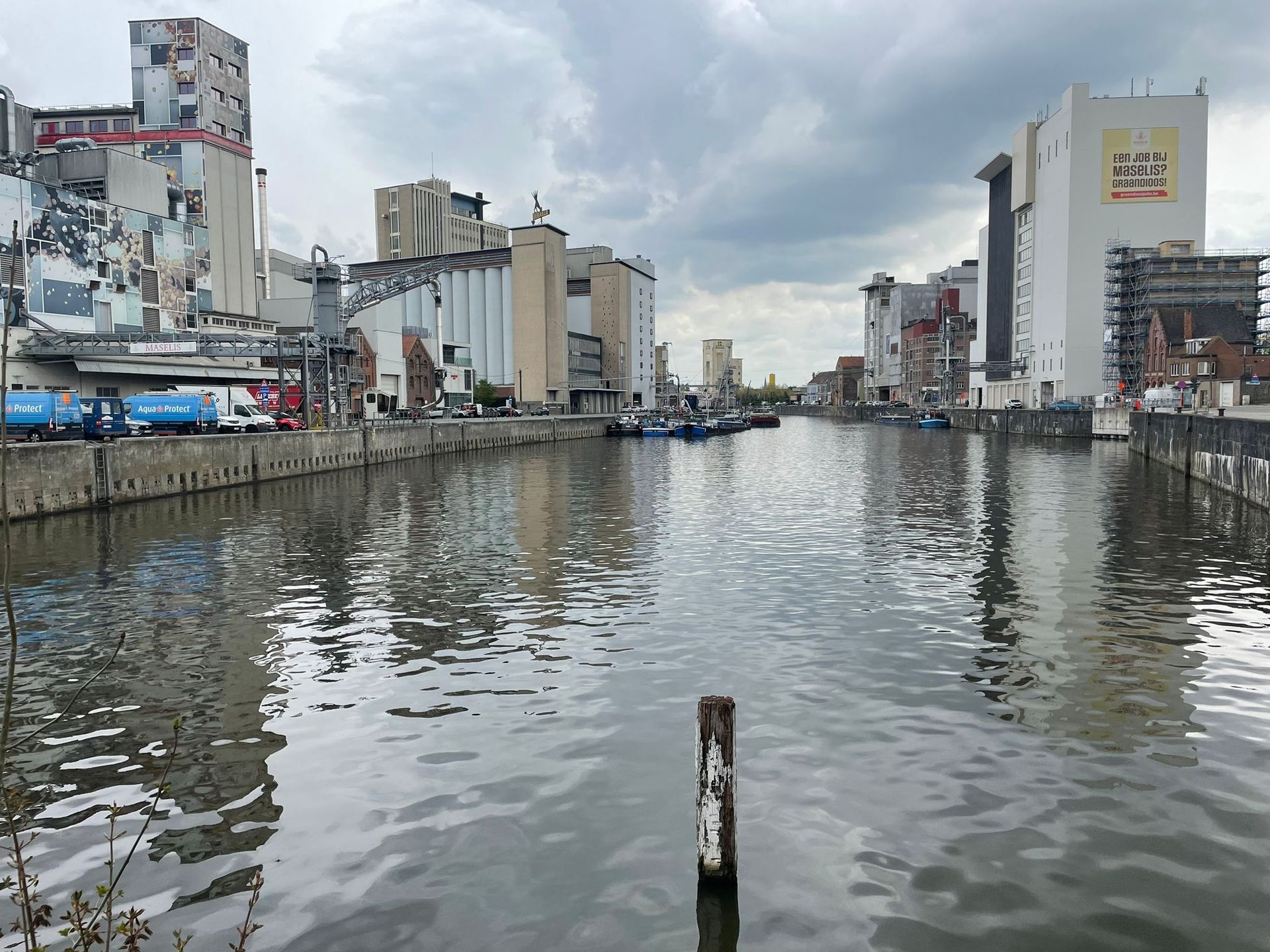
Roeselare, Belgium
Building a community of practice to develop a strategic framework
The territorial diversity of the partners involved allows to test slow tourism models in varied socioeconomic and cultural settings, enabling partners to co-develop transferable solutions and build a resilient community of practice across North-West Europe.
Joint capacity-building workshops, peer reviews, and continuous feedback loops will support this process. SLOWTOUR’s originality lies in merging citizen-led slow tourism with urban regeneration, transforming industrial heritage into assets that drive social inclusion.
The partners will enhance institutional capacity and develop a joint Slow Tourism Blueprint, a strategic framework for citizen engagement, best practices, and recommendations for uptake.
Six pilot actions across four countries will test and refine this blueprint, exploring immersive experiences, walking and cycling routes, food heritage festivals, and creative reuse of public spaces.
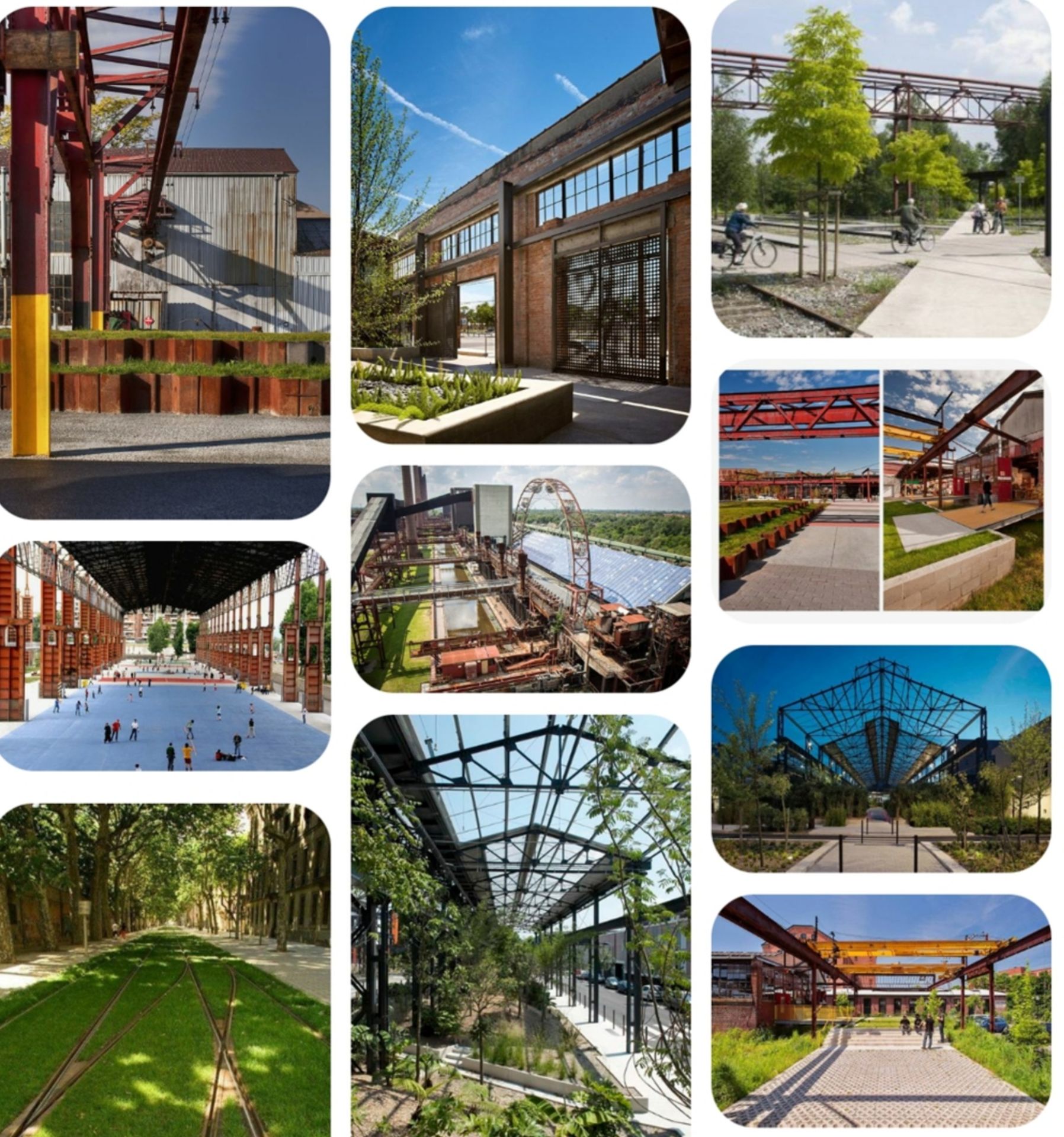
Belgium © IDETA
Designing a Slow Tourism Playbook to inspire cities and regions
The community-led pilots will feed into the final output: a Slow Tourism Playbook – a transferable toolkit designed to inspire cities and regions across North-West Europe. Transnational collaboration allows partners to co-develop and adapt methodologies to diverse urban contexts. The lessons learned will help at least 20 additional cities replicate inclusive slow tourism offers effectively and sustainably.
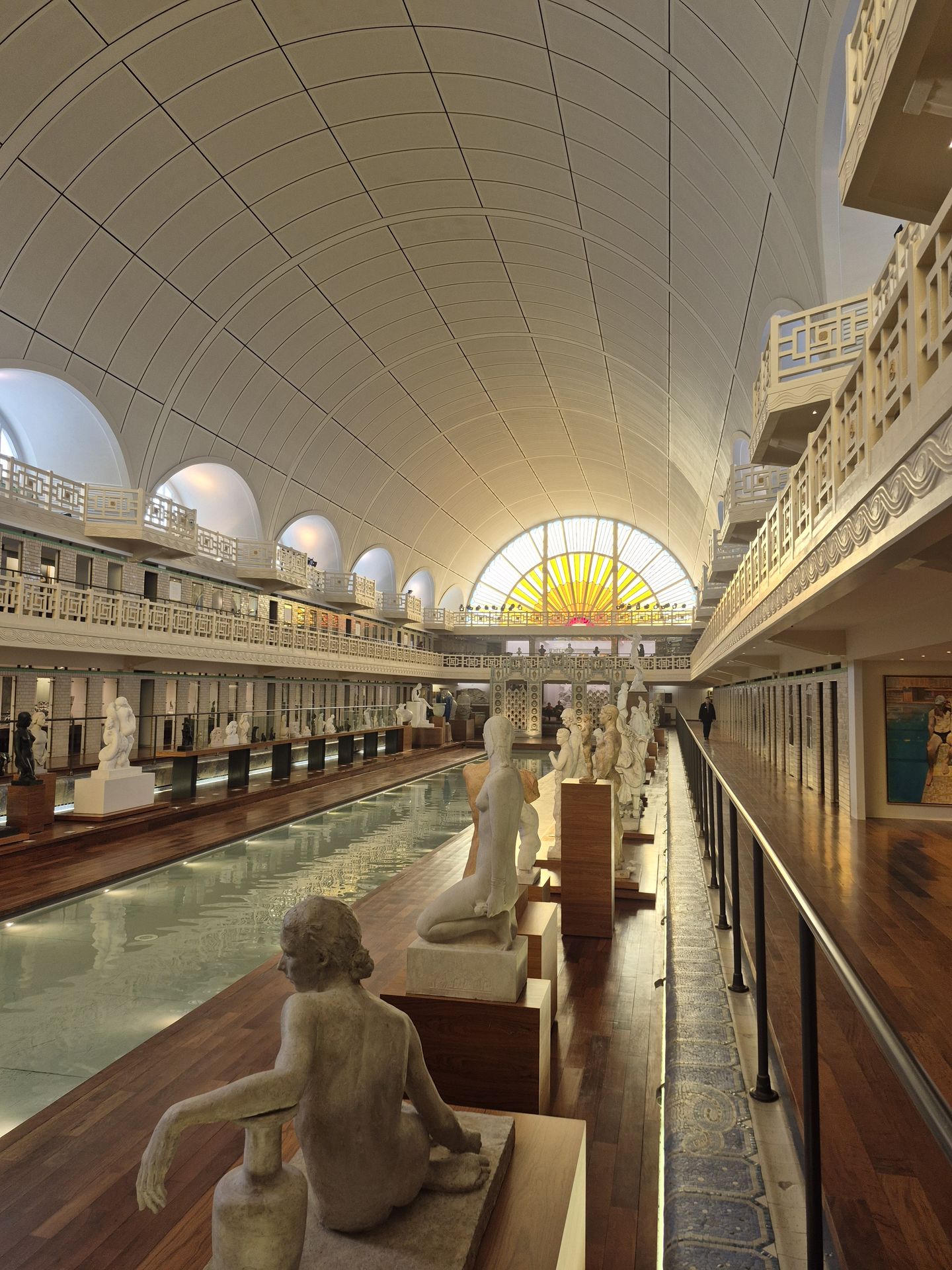
Musée La Piscine, Roubaix. France.